

8 Great Otter Tips
By Kathy KrankingHelpful hints for being otterly successful.
1- BE FUZZY
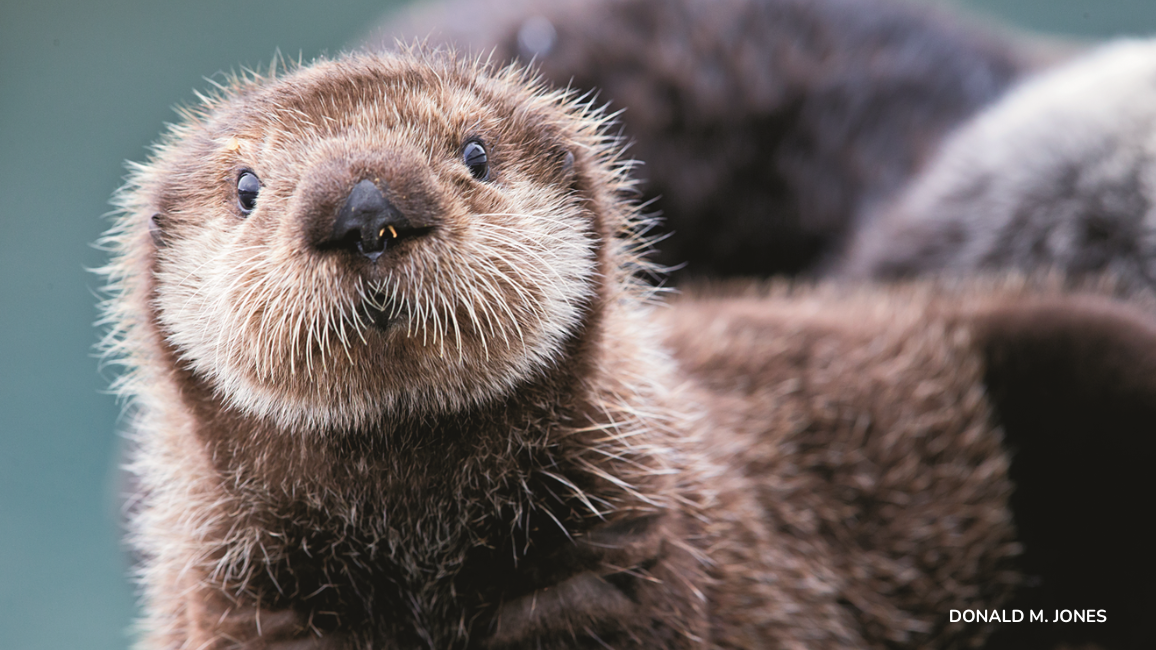
Most ocean mammals have a layer of fat called blubber under their skin. Blubber is like a built-in blanket that keeps these animals warm in cold water. But a sea otter has no blubber. Instead, it has a hairy heater: its super-thick fur coat! Each square inch of a sea otter’s coat has up to a million hairs. The fur is so thick that water can’t get through it. All those hairs trap a layer of air against the otter’s skin. That keeps the cold water out and the otter’s body heat in.

2- USE A TOOL
Sea otters love to chow down on clams, crabs, sea urchins, and other crunchy creatures. But cracking open these hard-shelled animals can be rough on an otter’s teeth. So, otters have a clever trick: They use tools to do the job! An otter rests a rock on its chest, then slams the prey against the rock to break its shell. Or it may slam the rock against the prey. As it dives for food, an otter keeps its tool tucked inside a furry pocket under its arm.

3- HOLD YOUR BREATH
Many of the creatures that sea otters eat live on or near the sea floor—sometimes hundreds of feet below the surface. To dive down and spend time searching for food, otters need to be good at holding their breath. Luckily, a sea otter’s lungs are pretty big. They’re more than three times bigger than the lungs of sea-otter-sized land mammals. That lets an otter stay underwater for a long time—more than five minutes—before coming up for air.

4- SCRUB UP
Sea otters are “clean freaks,” spending hours a day grooming their fur. They’ll comb through it with their claws and scrub it with their paws, twisting and spinning in the water to get every spot. Cleaning up is serious business for otters: If their fur gets matted or dirty, cold water can get to their skin. Scrubbing their fur also spreads their skin’s oils, helping to waterproof their coats. For sea otters, it’s scrub-adub-dub to survive.

5- BE A CRADLE
A newborn baby otter, or pup, can’t swim or dive. So, it lives most of its early life on the furry chest of its mom! It sleeps on her, gets groomed by her, and nurses from her on its cozy floating bed. Mom keeps her baby on board until the pup grows too big to fit on her any longer.

6- HAVE BUDDIES
Sea otters like to be with each other. They often hang out in groups called rafts. A raft can have just a few members or more than 100! Each is made up of all girl otters or all boys. Members of a raft may link paws or wrap up in seaweed called kelp to stay together. They raft for different reasons. One is that there’s safety in numbers from predators such as orcas or sharks. Rafting also makes it easy for otters to hunt together and warn each other of danger.
7- FLOAT THROUGH LIFE
Sea otters spend most of their lives in the water, much of the time bobbing along on their backs. A sea otter’s daily schedule might look something like this:
• Groom Fur: 5 hours
• Hunt and Eat: 8 hours
• Rest and Sleep: 11 hours
To keep from floating away during all that nap time, an otter wraps itself in a “sleeping bag” of kelp. An otter mom will also wrap her baby in kelp when she leaves to hunt for food.

8- BE A HERO
Sea otters can be heroes, just by doing what comes naturally. Here’s how: Some sea otters live in kelp forests. Kelp forests protect shorelines from storms and waves. And they are home to many creatures. Sea urchins, though, would happily keep multiplying and eating kelp until there isn’t any left. That’s where—ta-da!—sea otters come in. They gobble up the urchins so there aren’t too many. That feeds the otters and saves the kelp at the same time. Yay, otters!


